HC administrative offices and gardens are closed on Tuesday, November 11, in honor of Veterans Day. Seibels House and Gardens are also closed on Monday, November 10.

Menu Close Menu

Historic Columbia

Donate
  • FAQs
Upcoming Events

Navigation

  • Tours
    • House Tours
      • Robert Mills House and Gardens
      • Hampton-Preston Mansion and Gardens
      • Mann-Simons Site
      • The Museum of the Reconstruction Era
      • Modjeska Monteith Simkins House
    • Walking Tours
    • Garden Tours
      • Garden Database
    • African American History Tours
    • Online Tours
    • Group Tours
      • Group Bus Tours
      • Group House Museum Tours
      • Group Walking Tours
  • Education
    • Field Trips
      • House Tours
    • Traveling Trunks
  • Support
    • Corporate Support
      • Additional Support Opportunities
      • Corporate Membership
      • Program & Event Sponsorship Options
    • Donate
    • Membership
      • Palladium
    • Volunteer
    • Partners and Donors
  • Rent a Venue
    • Gardens of the Hampton-Preston Mansion
    • Seibels House and Garden
    • Robert Mills Carriage House and Gardens
    • Gardens of the Woodrow Wilson Family Home
    • Weddings
    • Photoshoots and Elopements
    • Contact Us
  • Research
    • Abandoned Cultural Property
    • Object Collection
    • Projects and Initiatives
  • Preservation
    • Preservation Awards
    • Preservation Advocacy
    • Resources and Services
    • Economic Impact Study
    • Building Richland County
  • About
    • Blog
    • Board Members
    • Careers
    • Contact Us
    • Newsletter
    • Staff Directory

Donate

Corner of Pulaski and Richland Streets

Urban Renewal

Around the turn of the 20th century, much of Arsenal Hill could be divided along racial lines. Affluent whites tended to live north and east of the Governor's Mansion, while African Americans, both affluent and working class, typically lived to the west. Surviving architecture testifies to these tendencies. This trend intensified during the Jim Crow era. By the late 1950s, the areas of Arsenal Hill with the most concentrated black population were deemed blighted and systematically condemned. A few properties were rehabilitated, and in many instances within the traditionally white areas of the community, former residences were converted into offices. Today, pictures, maps, and oral and written histories convey this watershed era in the neighborhood's past. 
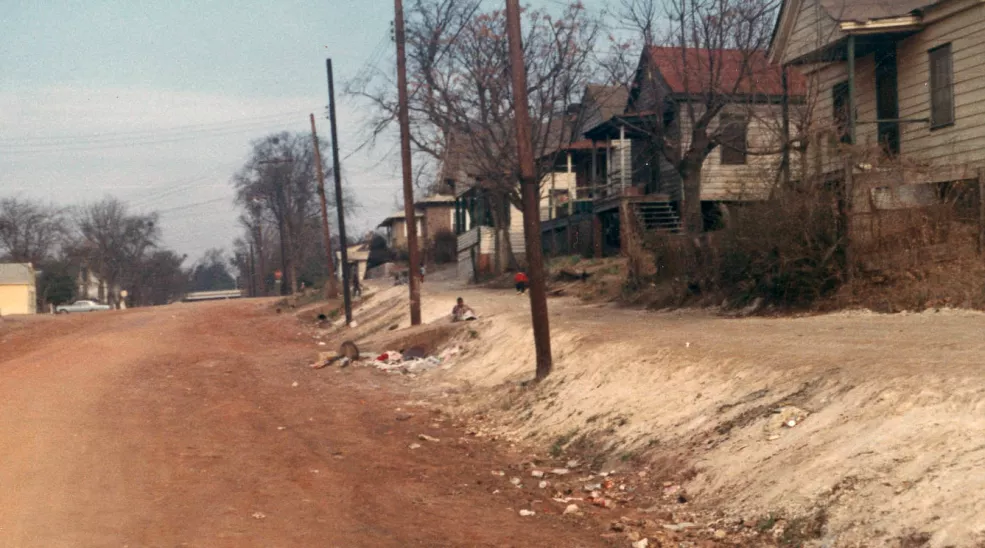
  • 1800 block of Pulaski

    When photographed in December 1966, the 1800 block of Pulaski was a dirt road flanked by a raised dirt sidewalk. Image courtesy Joseph E. Winter Photograph Collection, South Caroliniana Library, University of South Carolina, Columbia

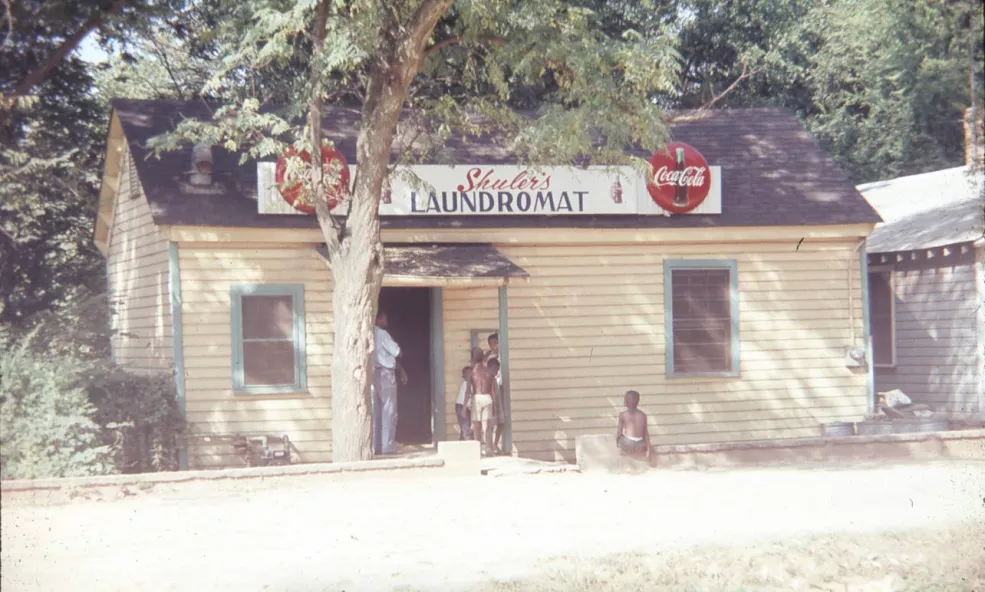
  • 1905 Pulaski

    In November of 1967, 1905 Pulaski Street housed Shuler's Laundromat. Image courtesy Joseph E. Winter Photograph Collection, South Caroliniana Library, University of South Carolina, Columbia

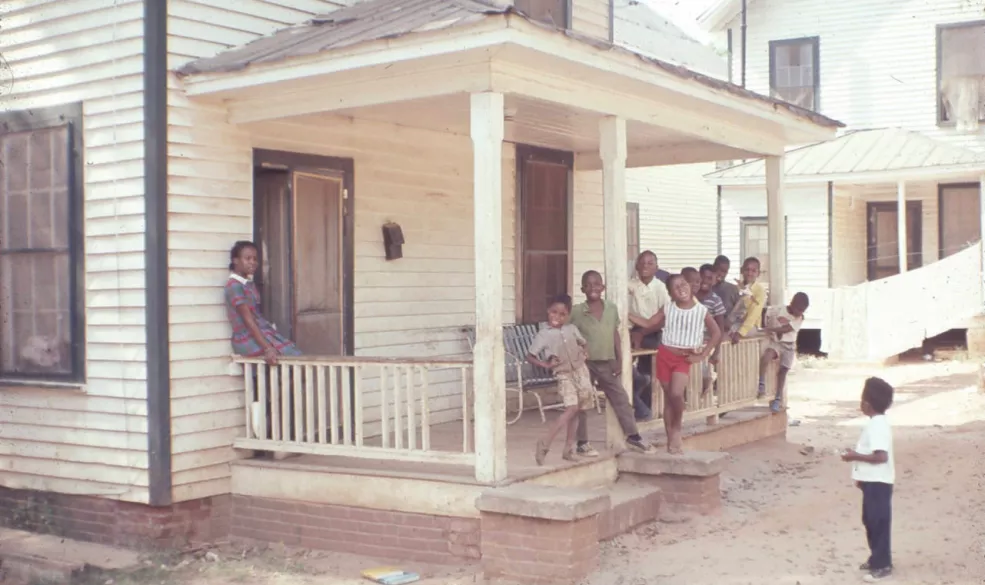
  • 1927 Pulaski

    This group of children at 1927 Pulaski Street posed for Joseph Winter during the photographer's visit in October of 1967. Image courtesy Joseph E. Winter Photograph Collection, South Caroliniana Library, University of South Carolina, Columbia

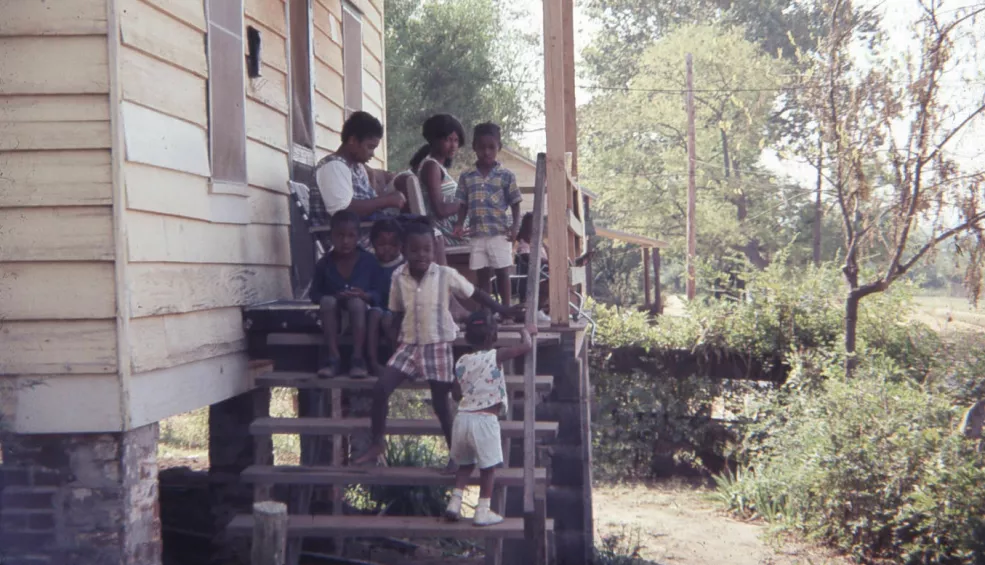
  • 1808 Pulaski

    Residents of 1808 Pulaski Street gathered on their front stoop during October of 1967.

Harriet Harvey describes growing up at 1716 Pulaski Street.

James Carter describes the character of Arsenal Hill.

34.0076075, -81.0474797

NTHP Preservation Award Winner
Historic Columbia

© 2025 Historic Columbia

Administrative Offices
1601 Richland Street
Columbia, SC 29201

Tours
All historic house and garden tours start at the Welcome Center at Robert Mills.
1616 Blanding Street
Columbia, SC 29201

Questions? Call (803) 252-7742.

Newsletter Signup

newsletter signup

Subscribe to our monthly newsletter for events, news, and updates from Historic Columbia!

  • Twitter
  • YouTube
  • Facebook
  • Instagram
  • Flickr
  • Privacy Policy
Website by Cyberwoven